Know your market's water
Hard water sells softeners. Chlorinated or chloraminated water sells filtration. Well water sells testing first. Start with your utilities' own reports. See hardness by city.
You already pay to get your trucks into homes. Water treatment is one of the few add-ons a plumbing company can offer on a call it is already running, to a customer who already opened the door.
Here is how to add it without turning your techs into salesmen or your shop into a warehouse.
The steps
Hard water sells softeners. Chlorinated or chloraminated water sells filtration. Well water sells testing first. Start with your utilities' own reports. See hardness by city.
In Texas, licensed plumbers are exempt from TCEQ's Water Treatment Specialist license. In California, look at CSLB's C-55 and C-36 classifications. See the Texas and California guides.
Ask any manufacturer for the specific NSF/ANSI certifications behind each claim, the warranty terms, and what they require of you as a dealer.
Send the technician homeowners already like, not the fastest wrench in the shop. Send two if you can, so the skill survives one person leaving.
A tech who brings up water on one call in five has cut the opportunity by eighty percent before close rate ever matters. Consistency beats skill.
A water test in the kitchen turns a utility report into this home's answer. It is the difference between a pitch and a diagnosis.
Decide installed prices, service plans and financing before the first call, not in the driveway.
About 40 installs a year is close to one a week of truck and tech time. Sell more than you can install and the win turns into a scheduling problem.
Offers made, tests run, systems sold, installs completed. If you are not counting offers, you cannot fix the step that is leaking.
The math
A truck running three calls a day, 260 working days a year, enters about 780 homes. These figures use HALO's $6,000 to $8,000 installed price to the homeowner, at the $7,000 midpoint, and a 35 percent gross margin.
| Stage | Close rate | Systems a year, 1 truck | Revenue | Gross profit at 35% |
|---|---|---|---|---|
| Out of the class | 5% | 39 | $273,000 | $95,550 |
| Inside a year | 10% | 78 | $546,000 | $191,100 |
| A couple of years in | 20% | 156 | $1,092,000 | $382,200 |
These are Roger Wakefield's expectations for a technician working the process daily. They are not a projection of your results and not a guarantee. Gross profit comes before overhead and payroll. Run your own numbers in the revenue per truck calculator and the profit margin calculator, and see the $300,000 claim broken down.
Avoid these
The fastest start
Three consecutive days that cover the parts of this list a plumbing company cannot get from a supply house: water science, the HALO product line and which home needs which system, and selling water treatment in the home without sounding like a salesman. A certification exam closes every day.
There is no equipment purchase requirement, no territory or franchise fee, and no royalty. The seat is $5,000, with team pricing from three seats. If you want to think it through first, book a 30-minute fit call and bring your truck count.
Questions
It can be, because the customer acquisition is already paid for. One truck entering about 780 homes a year at a 5 percent close rate lands 39 systems. At a $7,000 installed price that is $273,000 of revenue and $95,550 of gross profit at a 35 percent margin, before overhead and payroll. Those are Roger Wakefield's expectations for a technician working the process daily, not a projection or a guarantee.
Training through the HALO Water Tour is $5,000 a seat, plus travel and the days off the truck, with no equipment purchase requirement, territory fee or royalty. Equipment costs depend on your supplier and what you stock.
It depends on the state. In Texas, licensed plumbers are exempt from TCEQ's Water Treatment Specialist license. In California, CSLB's C-55 and C-36 classifications apply. Check your own state before you start.
The technician homeowners already like and trust, ideally two of them. Water treatment is sold in a conversation, so the best talker usually outperforms the fastest installer.
Make the offer part of every call and track it. Consistency matters more than skill: a tech who offers it on every call with an average close rate outsells a great closer who offers it on one call in five.
Sources
Checked in September 2026. Rules and prices change, so confirm with the source before you rely on them.
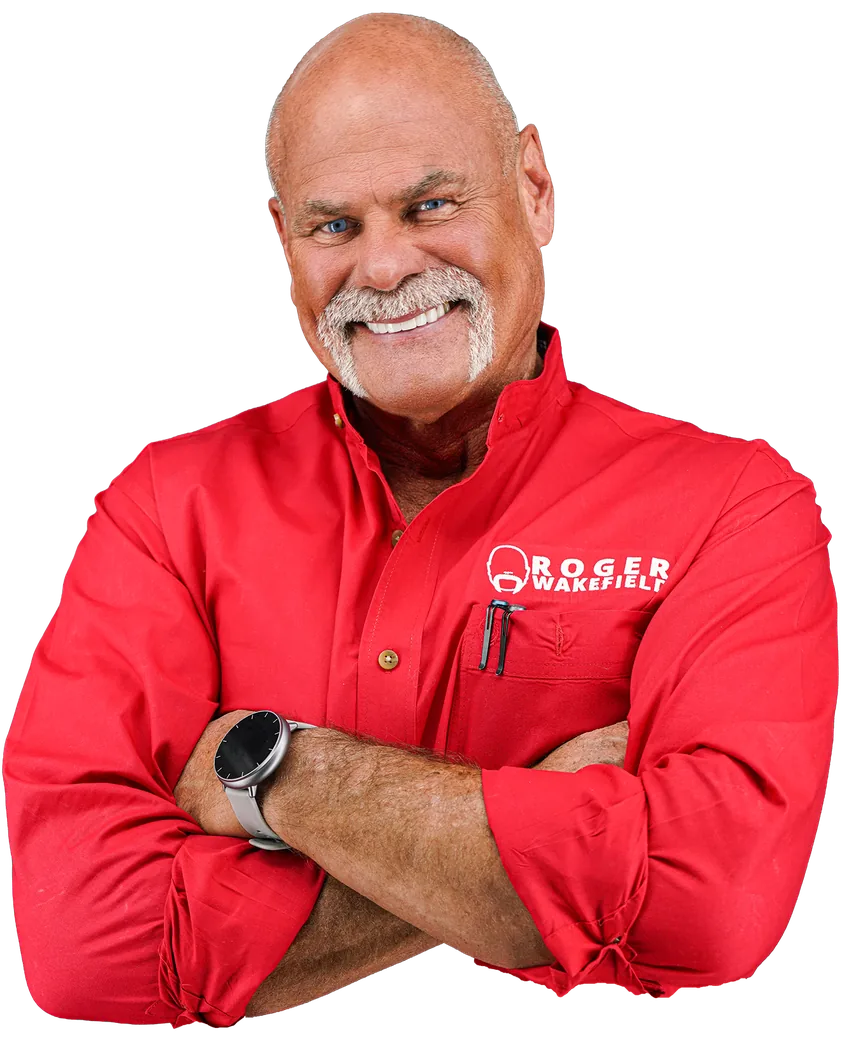
Written by Roger Wakefield, Texas Master Plumber
45 years in the trade and LEED AP. Published . More about Roger
Keep going
Three consecutive days, in person, twenty seats a city: Carlsbad October 27-29 and Dallas November 3-5, 2026. A certification exam closes every day, and the HALO Certified Water Quality Expert credential is awarded on day three.